

Impact of Wear and Tear on vehicle:



In the past century, the evolution of car performance systems have radically changed the experience of driving, racing and operating cars. Since the invention of mechanical engines and until the electronic platforms, vehicle performance technologies have improved to provide faster, safer and more effective automobiles. In this article, we’ll see how such systems have changed over time, with a particular focus on how engine technologies, transmissions, suspension and electronic controls have revolutionized the way we drive.
Introduction
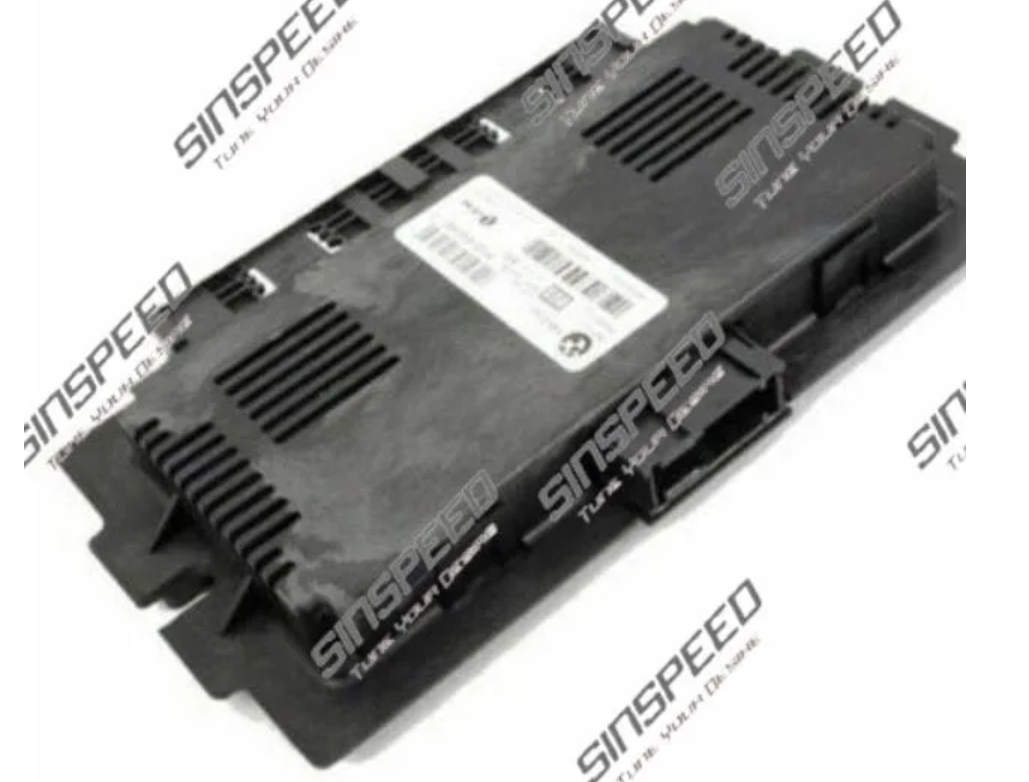
In modern vehicles, electronic systems have revolutionized the way cars operate, making them more efficient, reliable, and responsive. At the heart of these systems lies the gearbox ECU — a sophisticated electronic control unit that manages and optimizes the operation of automatic and semi-automatic transmissions. Understanding its function, design, and impact on vehicle performance is essential for both enthusiasts and professionals in the automotive industry.
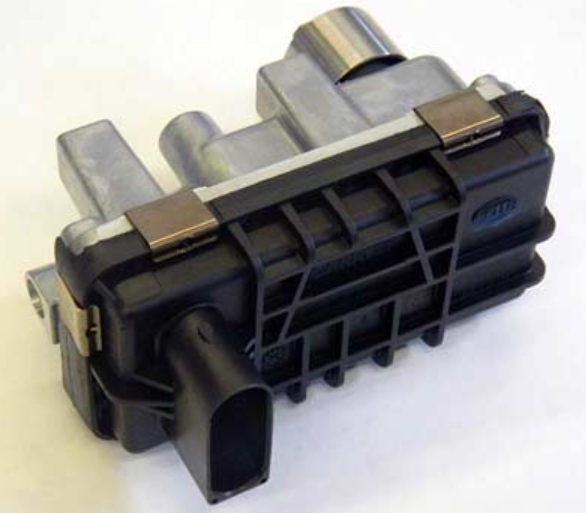
Turbocharged engines are admired for their ability to combine efficiency with extra power. While most of the attention goes to the turbocharger itself, there’s a smaller but equally important part making sure everything runs smoothly: the turbo actuator. Without this component, the turbo would not be able to function in a controlled and safe manner.
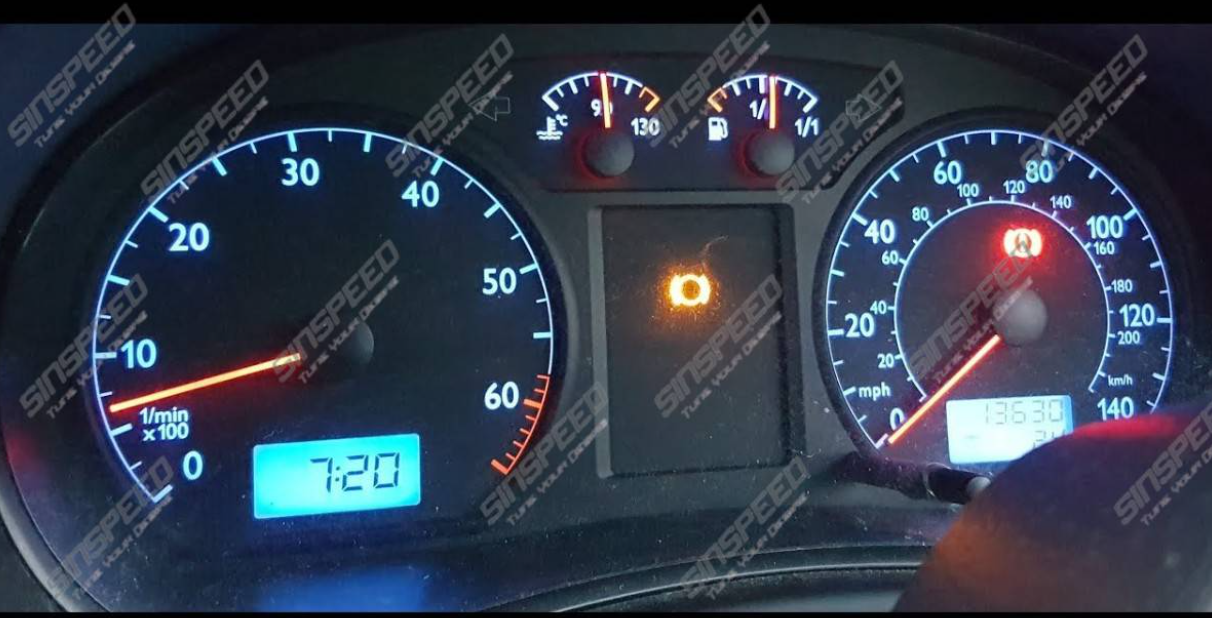
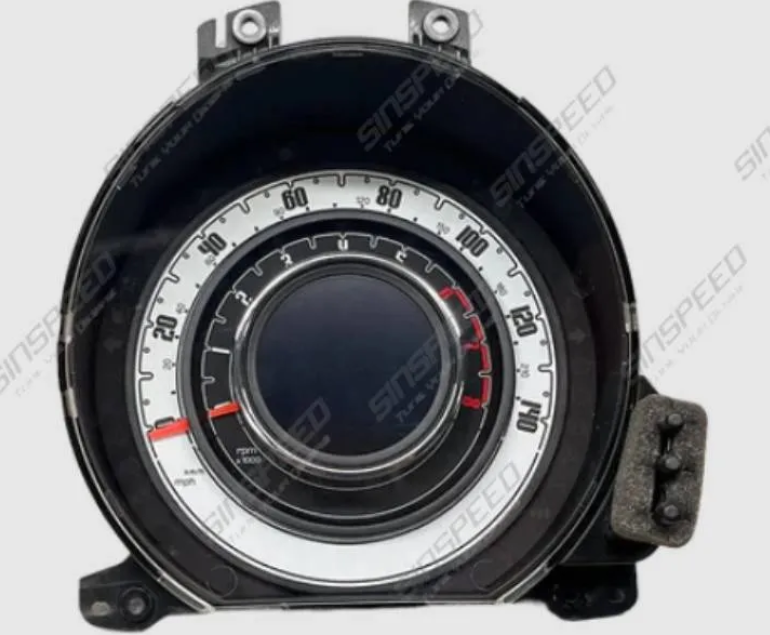
An instrument cluster is the collection of gauges, indicators, and digital readouts located directly in front of the driver, usually behind the steering wheel. It serves as the car’s central information hub, giving real-time updates on everything from speed to fuel level. Over time, instrument clusters have evolved from simple analog dials to highly sophisticated digital interfaces that integrate with advanced vehicle electronics.https://www.sinspeed.co.uk/category/instrument-cluster-repair/
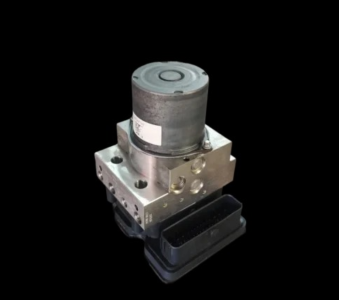
Modern vehicles come equipped with a variety of dashboard lights and indicators—each one designed to give you insight into your car’s health. One of the most important of these is the ABS warning light. When this light comes on, it means your Anti-lock Braking System (ABS) isn’t functioning as it should, and it’s a signal you should never ignore.
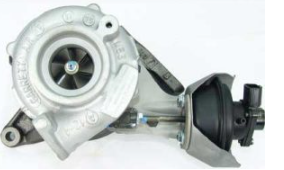
Turbochargers have transformed modern engines, allowing smaller engines to produce more power and improved fuel efficiency. By compressing air into the combustion chamber, a turbo allows more fuel to burn efficiently, increasing horsepower, torque, and overall engine performance. However, turbos operate under extreme conditions—high speeds, intense heat, and heavy loads—so wear and tear is inevitable. A turbo rebuild restores performance, extends the turbo’s lifespan, and keeps your engine running smoothly.