The oil pressure warning light is a critical dashboard indicator that alerts drivers to potential issues with the engine’s lubrication system. Proper engine oil pressure is essential for preventing friction, wear, and overheating of engine components. When the oil pressure light illuminates, it signals that the engine may not be receiving sufficient lubrication. Ignoring this warning can lead to severe engine damage, including component seizure or total engine failure. Understanding the meaning of the oil pressure warning light, common causes, and appropriate actions is essential for vehicle safety and longevity.
Understanding the Oil Pressure Warning Light
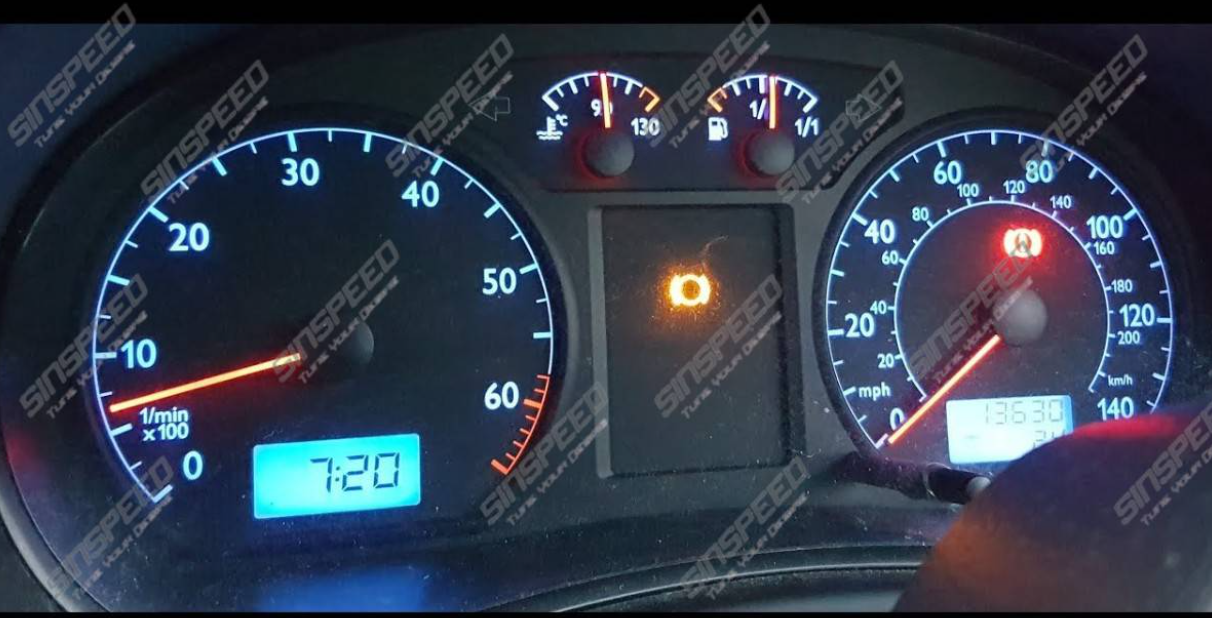
The oil pressure warning light is usually represented by an oil can icon or the word “OIL” on the dashboard. Its illumination indicates a problem with the engine’s oil pressure or flow. The light may behave differently based on the severity of the issue:
Steady Light: Signals low oil pressure or insufficient lubrication, requiring prompt attention
Flashing Light: Indicates a critical issue that requires immediate engine shutdown
Recognizing the type of illumination helps determine the urgency of inspection and repair.
Why Oil Pressure Is Important
Engine oil performs several essential functions:
Lubricates moving components to reduce friction
Absorbs and dissipates heat from engine parts
Protects against wear and corrosion
Maintains engine efficiency and performance
Low oil pressure can cause severe engine damage in minutes, making it critical to respond immediately.
Common Causes of Oil Pressure Warning Light Activation
1. Low Oil Level
Insufficient oil due to leaks, consumption, or neglect is a common reason for the warning light.
2. Oil Pump Failure
A malfunctioning oil pump cannot circulate oil effectively, reducing pressure.
3. Clogged Oil Filter
A blocked oil filter restricts oil flow, causing pressure drops and triggering the warning.
4. Worn Engine Bearings
Damaged or worn bearings reduce oil pressure and may activate the light.
5. Faulty Oil Pressure Sensor
A malfunctioning sensor may give false readings, illuminating the light even if pressure is normal.
6. Oil Quality Issues
Old or degraded oil loses viscosity and cannot maintain adequate pressure.
7. Oil Leaks
Leaks from gaskets, seals, or engine components reduce oil volume and pressure.
Symptoms That May Appear Alongside the Oil Pressure Light
Drivers may notice:
Engine knocking or unusual noises
Reduced engine performance
Overheating engine
Visible oil leaks under the vehicle
Smoke or burning smell from the engine
Even if the engine seems to run normally, the illuminated light indicates a potential lubrication problem.
Is It Safe to Drive With the Oil Pressure Warning Light On?
Driving with the oil pressure light on is highly dangerous:
Steady Light: Driving should be minimized; engine inspection is needed immediately
Flashing Light: Stop the engine immediately to prevent catastrophic damage
Continuing to drive can result in severe engine damage or total engine failure.
What To Do When the Oil Pressure Warning Light Comes On
Pull Over Safely
Stop the vehicle as soon as it is safe to prevent further damage.Turn Off the Engine
Allow the engine to cool and prevent components from seizing.Check Oil Level
Inspect the dipstick and add the recommended oil type if low.Inspect for Leaks
Look for oil puddles or leaks from gaskets and seals.Avoid Driving
Driving without sufficient oil pressure can destroy the engine.Seek Professional Assistance
Certified technicians can identify leaks, sensor faults, or mechanical failures.
Professional Engine Oil System Diagnosis and Repair
Technicians typically perform:
Checking oil levels, quality, and viscosity
Inspecting oil pump, filter, and circulation
Testing oil pressure sensor and wiring
Repairing leaks, replacing worn components, and flushing old oil
Ensuring proper lubrication and engine operation
Professional service restores safe engine performance and prevents further damage.
Repair Cost Considerations
Costs vary depending on:
Component requiring repair (oil pump, sensor, filter, or engine bearings)
Vehicle make and model
Labor required for inspection and repair
Early attention reduces repair costs and prevents catastrophic engine failure.
Preventing Oil Pressure Warning Light Activation
Preventive measures include:
Regularly checking oil level and topping up when necessary
Changing oil and filters according to manufacturer schedules
Inspecting for leaks and unusual engine noises
Using the recommended oil type and viscosity
Addressing minor dashboard warnings promptly
Routine maintenance ensures proper lubrication and engine longevity.
Oil Pressure Light vs Other Dashboard Indicators
Coolant Temperature Light: Signals engine overheating
Battery Light: Indicates charging system problems
Check Engine Light: Relates to engine or emission system faults
Correct interpretation ensures timely response and prevents severe engine damage.
When Immediate Action Is Required
Seek professional help immediately if:
Oil pressure remains low after topping up
Engine makes knocking or unusual noises
Smoke or burning smell appears from under the hood
Visible oil leaks exist
Prompt action prevents engine seizure, maintains performance, and avoids costly repairs.
Conclusion
The oil pressure warning light is a critical indicator that protects the engine from severe damage caused by insufficient lubrication. Understanding its meaning, recognizing symptoms, and responding promptly ensures safe vehicle operation and long-term engine reliability. Professional inspection and repair restore proper lubrication, maintain engine performance, and prevent costly failures. Ignoring the warning light can result in engine seizure, component damage, and significant repair expenses, making immediate attention essential.




Write a comment ...